The Big Idea
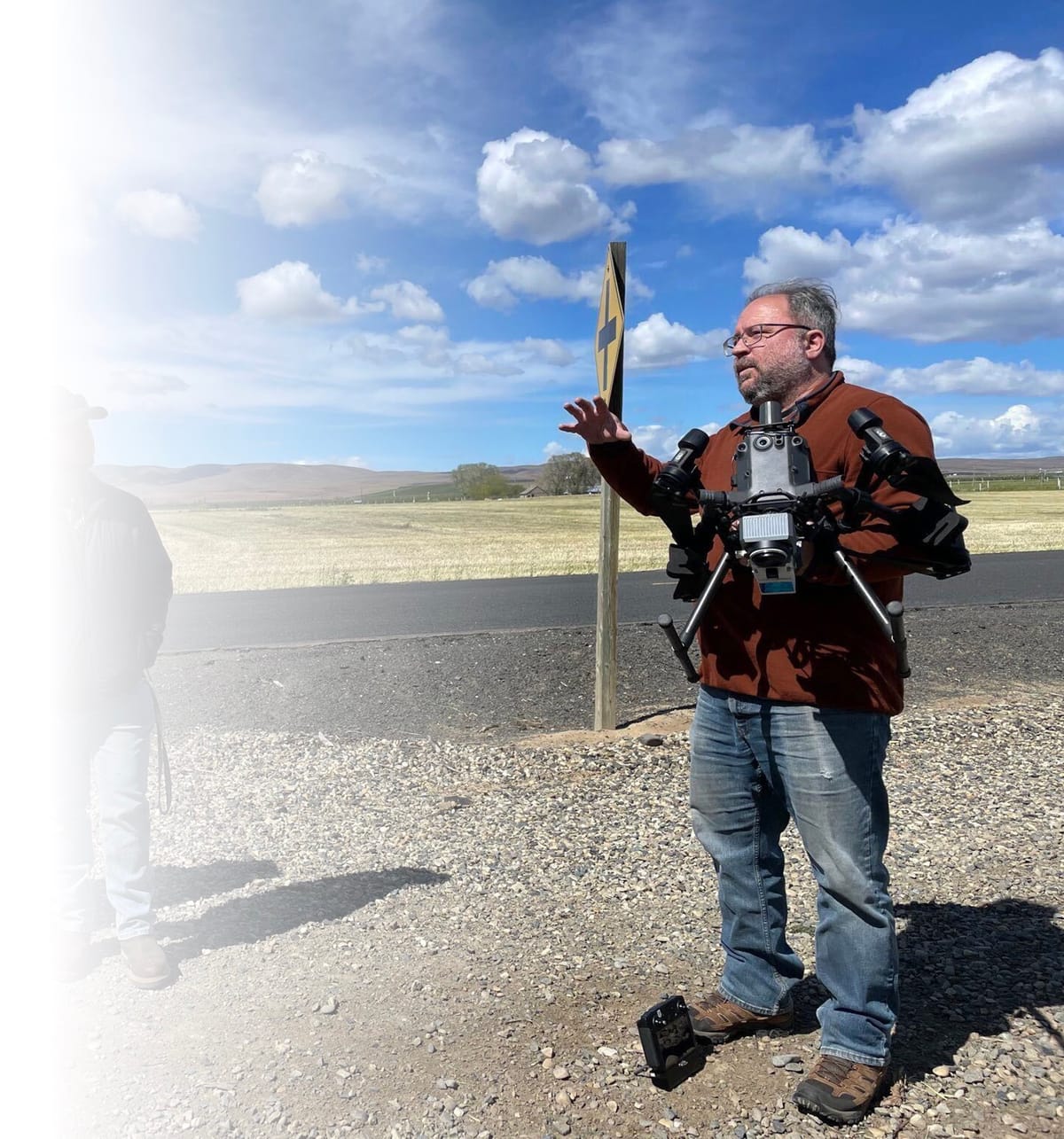
With an educational background in economics and environmental policy, I have worked in agriculture and environmental research for more than 25 years.
After spending much of the last decade developing software to support research and analysis projects, I've concluded that the traditional consulting model, where clients spend large amounts of money for what largely ends up as a PDF document or a monolithic software package, is usually a dead end.
Think about it. An organization of any complexity has numerous stakeholders, each of whom has different responsibilities and different needs for information. Your finance team works with financial data; your marketing and sales teams work with something else, your R&D, operations, distribution, and field crews all have their own needs and time frames.
Enterprise resource, CRM, project management, and business intelligence tools are all supposed to solve these problems. But you can't force a everything into a Sharepoint or Salesforce solution. Too often, I see enterprises paying full cost for some technology, then tell me that they're only using five percent of what it can do.
If you find yourself with that problem, then you have two good choices: figure out how to use 100 percent of that technology, or find an alternative that costs closer to what you actually need.
If you're working in agriculture, food systems, environmental, or natural resource management and wondering where you fit on that spectrum, let's get in touch.